

TRAVEL STORIES
How to Plan a Trip from Start to Finish: A Practical Step-by-Step Guide
Learn how to plan a trip from start to finish with a practical guide to choosing destinations, setting a budget, building an itinerary, organizing bookings, and preparing for departure.
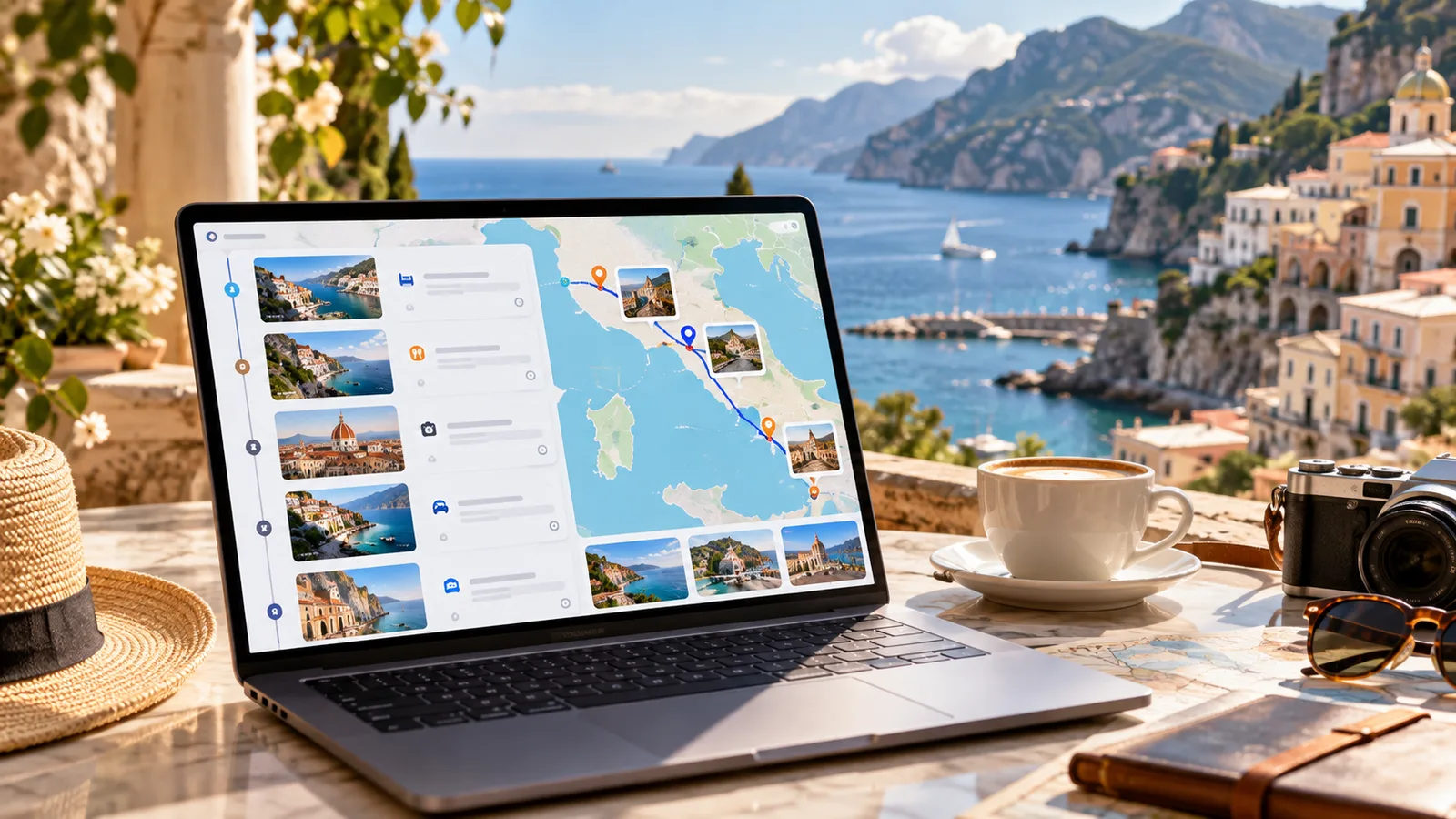
Planning a trip should be exciting, not overwhelming. But between choosing a destination, comparing flights, booking accommodation, researching attractions, and organizing travel documents, even a simple vacation can quickly become complicated.
The secret to a well-planned trip isn't researching every possible detail. It's making the right decisions in the right order.
To plan a trip from start to finish, begin with your travel priorities and budget, choose realistic dates, book essential arrangements, organize activities geographically, and create a flexible day-by-day itinerary. Before departure, check your documents, destination requirements, and reservations.
This step-by-step guide walks you through the entire process, whether you're planning a weekend city break, a family vacation, or a longer international journey.
Step 1: Decide What You Want From Your Trip
Before choosing flights or hotels, think about the experience you're hoping to have.
A trip centered around relaxation will look very different from one focused on museums, hiking, food, or visiting multiple cities.
Start by answering a few questions:
What is the main purpose of this journey?
Do you prefer exploring or relaxing?
Are you traveling alone, as a couple, with friends, or with family?
Do you want a structured itinerary or plenty of free time?
Are there experiences you absolutely don't want to miss?
What is your approximate budget?
Your answers will influence almost every decision that follows.
Identify Your Travel Style
A useful way to begin is to choose a general travel style.
Travel style | Main priority | Planning consideration |
|---|---|---|
City break | Attractions, culture, dining | Group places by neighborhood |
Relaxed vacation | Rest, scenery, comfort | Avoid an overloaded schedule |
Family trip | Shared experiences, convenience | Allow breaks and flexible timing |
Adventure travel | Outdoor activities, exploration | Consider weather and transport |
Multi-city journey | Exploring several destinations | Coordinate transfers and accommodation |
Romantic getaway | Atmosphere, dining, special experiences | Balance reservations with free time |
You don't need to fit into just one category.
The point is to identify what matters most before your itinerary becomes crowded with recommendations.
Step 2: Choose Your Destination and Travel Dates
Once you understand your travel priorities, choosing a destination becomes easier.
Instead of starting with a list of popular places, evaluate destinations against your actual needs.
Consider:
Season: What is the weather typically like during your preferred travel period?
Travel time: How long will it take to reach the destination?
Budget: Can you comfortably afford accommodation, transportation, food, and activities?
Interests: Does the destination offer the experiences you want?
Accessibility: Is it practical for everyone traveling?
Entry requirements: Are there passport, visa, or other travel conditions to consider?
Be Realistic About the Time Available
A frequent planning mistake is counting travel days as full sightseeing days.
Imagine booking a five-day vacation.
If your flight arrives at 8 PM on the first day and your return flight departs at 9 AM on the last day, you effectively have only three full days available for exploring.
That changes how many attractions you can comfortably include.
When comparing destinations, consider the amount of usable time you'll have, not simply the number of nights.
Check Entry Requirements Early
For international travel, review passport validity, visa requirements, and any applicable entry rules before committing to expensive non-refundable bookings.
Use official government, embassy, consular, or immigration resources relevant to your nationality and destination.
Travel requirements can change, and rules that apply to one traveler may not apply to another.
Step 3: Create a Travel Budget That Covers the Whole Journey
A realistic travel budget is more than the price of flights and hotels.
Smaller expenses can add up throughout a trip, particularly when you haven't accounted for local transport, attraction tickets, or meals.
A useful travel budget includes:
Transportation to and from your destination
Accommodation
Food and drinks
Local transportation
Attractions, tours, and activities
Travel insurance, where appropriate
Connectivity and practical expenses
Shopping and personal spending
An emergency or contingency reserve
Example: A Five-Day Vacation Budget
The following is an illustrative budget, not a price estimate for any particular destination.
Expense | Example budget |
|---|---|
Flights and airport transfers | $500 |
Accommodation | $600 |
Food and drinks | $300 |
Local transportation | $100 |
Attractions and activities | $200 |
Insurance and miscellaneous | $100 |
Contingency reserve | $200 |
Total | $2,000 |
Your actual costs will depend on destination, season, group size, comfort preferences, and booking choices.
The goal is to understand the full cost of the experience before making major commitments.
Prioritize Experiences Over Unnecessary Spending
Not every part of a trip needs the same budget.
If dining is important to you, you might prefer simpler accommodation and reserve more money for restaurants.
If your priority is a memorable hotel experience, you may choose fewer paid activities.
A good budget reflects your preferences rather than forcing every category into an arbitrary spending limit.
Step 4: Research Transportation and Accommodation
Once the destination, dates, and budget are clear, begin evaluating the main travel arrangements.
Choose Transportation That Fits Your Schedule
For flights, don't compare prices alone.
Also consider:
Departure and arrival times
Airport location
Layover duration
Baggage allowances
Refund and change conditions
Ground transportation after arrival
A cheaper ticket may not offer the best overall value if it requires an inconvenient transfer or eliminates a significant portion of your vacation.
For multi-city journeys, compare the practical costs and travel times of trains, flights, buses, or rental vehicles where relevant.
Choose Accommodation Based on Location
Hotel location can have a major impact on how a trip feels.
An inexpensive property far from the places you want to visit may create additional transportation costs and wasted time.
Before booking, examine the area on a map.
Think about its proximity to:
Attractions you plan to visit
Public transportation
Restaurants and essential services
Arrival and departure transport connections
Areas where you expect to spend your evenings
The right location is not necessarily the most central one.
It is the location that best supports your particular itinerary.
Keep Booking Information Organized
Once you've booked transportation or accommodation, save the confirmation details in a place where you can find them easily.
Important information may include check-in times, cancellation conditions, addresses, and reservation references.
Avoid relying on a collection of unrelated screenshots or searching through your inbox every time you need a detail.
Step 5: Build a List of Must-See Places
With the major arrangements taking shape, it's time to explore the experiences available at your destination.
Research attractions, neighborhoods, restaurants, parks, viewpoints, and activities that match your interests.
At this stage, don't worry too much about the order in which you'll visit them.
Focus on identifying the places that genuinely interest you.
Separate Must-See Places From Optional Experiences
One of the simplest ways to improve an itinerary is to divide your ideas into two groups.
Must-see places are the experiences that would make the trip feel incomplete if you missed them.
Optional places are interesting additions that can fit around your main priorities.
For example, on a trip to Rome, you might consider the Colosseum and Vatican Museums essential, while keeping several smaller museums, viewpoints, or shopping areas optional.
This prevents your schedule from becoming a competition between equally weighted attractions.
Avoid Collecting Too Many Recommendations
Travel research can become endless.
Every article, video, and social media post introduces another place you could visit.
Eventually, you may have more saved attractions than you could realistically experience in several trips.
Instead of trying to include everything, ask:
Would I still choose this experience if I had to skip something else?
This question helps reveal your genuine priorities.
Step 6: Organize Attractions by Geography
This is one of the most valuable steps in travel planning.
A list of attractions tells you what you want to see.
A map shows how those attractions relate to one another.
Before assigning places to individual days, look at their geographic distribution.
Group Nearby Attractions Together
Imagine that you want to visit six attractions across a large city.
If you schedule them randomly, you may spend a considerable amount of time crossing back and forth between neighborhoods.
Instead, identify which places are reasonably close together.
Then group them into geographic clusters that can form the foundation of your daily plans.
For example:
Day 1: Historic center and nearby attractions
Day 2: Museums and surrounding neighborhoods
Day 3: Parks, scenic areas, and a more relaxed afternoon
The exact grouping depends on the destination, but the principle is widely useful.
Build each day around an area, not merely a list of attractions.
Remember That Distance Isn't Everything
Two places can appear close on a map but still require a complicated journey.
Consider walking conditions, hills, water crossings, public transport connections, accessibility, and traffic.
Geographic grouping is a starting point, not a replacement for checking actual travel routes.
A digital trip map can make this step easier by helping you visualize the locations of your planned stops.
Step 7: Create a Realistic Day-by-Day Itinerary
Now you're ready to turn your ideas into an actual schedule.
For each day, identify the main attraction or experience and organize suitable activities around it.
A good itinerary should account for:
Opening and operating times where verified
Travel between locations
Expected activity duration
Meal breaks
Fixed reservations
Personal energy levels
Free time and flexibility
How Many Activities Should You Plan Per Day?
There is no universal number.
Three small attractions within walking distance may fit comfortably into one afternoon.
A major museum, guided excursion, or long hike might occupy most of a day.
The key is to consider the nature of each activity.
As a practical starting point for some city breaks, try planning one or two major experiences and a small number of optional stops per day.
Then adjust based on distances, reservations, and how you prefer to travel.
Example of a Balanced Sightseeing Day
Time | Activity |
|---|---|
9:00 AM | Breakfast and preparation |
10:00 AM | Main attraction or pre-booked experience |
12:30 PM | Lunch nearby |
2:00 PM | Explore the surrounding neighborhood |
4:00 PM | Flexible activity or coffee break |
6:00 PM | Return to accommodation or free time |
8:00 PM | Dinner |
This is a planning illustration, not a timetable for a specific city.
Actual schedules should be adjusted around current attraction operating hours, travel times, and individual preferences.
Plan Arrival and Departure Days Separately
Arrival days often involve airport transfers, luggage, hotel check-in arrangements, and fatigue.
Keep these days lighter whenever possible.
Similarly, your final day should leave enough time for checkout, transportation, and departure procedures.
Avoid building a complicated sightseeing schedule around a tight return connection.
Step 8: Plan Around Fixed Reservations
Some activities require a confirmed time slot.
Examples include guided tours, performances, transportation departures, and certain popular attractions.
Treat these reservations as fixed points in your itinerary.
Build other activities around them.
If you have a confirmed museum entry at 11 AM, for example, don't schedule another major activity across the city immediately beforehand.
Allow time to reach the location and complete any required entry procedures.
What Should You Book in Advance?
Consider advance booking when an experience is:
Essential to your trip
Available only in limited time slots
Likely to have restricted capacity
Difficult to replace at short notice
Important to your schedule
Always consult the official attraction or booking provider for current availability and entry conditions.
A flexible itinerary can accommodate spontaneous decisions, but essential reservations deserve more deliberate planning.
Step 9: Make Meals and Transportation Part of the Plan
An itinerary that ignores food and movement can quickly become unrealistic.
Restaurants, transportation connections, and breaks are not distractions from sightseeing.
They are part of the experience.
Plan Meals Around Where You'll Be
Instead of choosing restaurants independently from your attractions, consider where you'll be around lunchtime or dinner.
This reduces unnecessary detours and helps keep your day flowing naturally.
You don't need to reserve every meal.
Often, identifying a few suitable options in the neighborhoods you plan to explore is enough.
For an important dining experience, however, a reservation may be worth arranging in advance.
Allow Time Between Activities
One attraction ending at 2 PM doesn't necessarily mean you can begin another at 2:15 PM.
Account for walking, transportation, navigation, waiting, and unexpected delays.
Avoid assuming that every transition will happen perfectly.
A small amount of breathing room can make the entire day more enjoyable.
Step 10: Organize Your Travel Documents and Bookings
By this stage, your trip may involve multiple confirmations and documents.
These could include flight information, accommodation reservations, activity tickets, travel insurance, and other relevant paperwork.
Create a simple system that keeps the information connected to your journey.
A useful structure might include:
Category | Information to organize |
|---|---|
Transportation | Tickets, departure details, baggage conditions |
Accommodation | Address, check-in details, confirmation |
Activities | Tickets, meeting points, reservation times |
Travel documents | Relevant document details and validity |
Insurance | Policy details and assistance contact |
Itinerary | Daily plans, important locations, notes |
Keep sensitive personal information in a secure private location rather than public notes or shared documents.
A dedicated trip planning workspace such as TripNexa can help connect itinerary details with relevant bookings through its private Travel Wallet.
Step 11: Prepare the Practical Details Before Departure
A good travel plan includes the information you'll need once you arrive.
Before departure, review the everyday practical details of your destination.
Money and Payments
Check the local currency, common payment methods, and whether carrying some cash may be useful.
Phone and Internet
Review international roaming, local SIM cards, and eSIM options.
Make sure you'll have a reliable way to access important travel information.
Electricity
Confirm plug types, voltage, and whether your devices require an adapter or converter.
Local Transportation
Understand available transport options, ticketing arrangements, and how you will reach your accommodation.
Travel Requirements
Check applicable passport, visa, customs, and entry requirements through official sources.
Health and Safety
Review any relevant official health or travel advisories, insurance coverage, and emergency guidance.
Local Customs
Learning about etiquette, tipping practices, and cultural expectations can help you navigate a destination more comfortably.
TripNexa's Before You Go feature is designed to organize many of these practical topics into a structured destination briefing.
However, important legal and immigration information should always be verified through relevant official authorities.
Step 12: Create a Final Travel Plan You Can Actually Use
A successful trip plan should be useful during the journey, not only while you're researching it.
Before leaving, review the complete itinerary.
Ask:
Are all major reservations included?
Are the daily activities geographically sensible?
Do arrival and departure plans make sense?
Have you allowed enough time between important commitments?
Can you easily find tickets and accommodation information?
Do you have access to important documents?
Is there enough flexibility for changes?
Once your itinerary is ready, consider saving a downloadable copy.
A PDF travel plan can be useful when you want to review your schedule without repeatedly switching between applications.
TripNexa supports itinerary PDFs and a more comprehensive Full Travel Book built from available saved trip information.
A saved PDF can be read offline, although external links and online services may still require connectivity.
A Complete Travel Planning Checklist
Use this checklist before finalizing your next trip.
Before Booking
Define your travel goals and preferences
Choose a destination
Select realistic travel dates
Establish a total budget
Check applicable entry requirements
Compare transportation options
Research accommodation areas
After Booking
Save transportation and accommodation confirmations
Create a list of must-see attractions
Identify optional activities
Group locations geographically
Book essential timed experiences
Build a realistic day-by-day itinerary
Include meals, transfers, and breaks
Review the schedule for unnecessary backtracking
Before Departure
Confirm important booking details
Check travel document validity
Review current official travel requirements
Arrange appropriate insurance
Check connectivity and power requirements
Organize tickets and documents securely
Save maps and important addresses
Prepare a downloadable itinerary
Allow flexibility for unexpected changes
Common Travel Planning Mistakes to Avoid
Even experienced travelers can make planning decisions that create unnecessary stress.
Here are some of the most common mistakes.
Trying to See Everything
Too many attractions can make a trip feel rushed.
Prioritize meaningful experiences instead of maximizing the number of stops.
Ignoring Travel Time
A schedule that looks manageable on paper may become difficult when transportation is included.
Check the geography of your itinerary before finalizing each day.
Booking Everything Before Checking the Overall Plan
Individual reservations may seem attractive until you realize they conflict with other activities.
Consider your overall daily schedule before committing to fixed times.
Choosing Accommodation Only by Price
Location affects convenience, transportation costs, and how much time you have to explore.
Consider the whole experience rather than the nightly rate alone.
Keeping Travel Information Scattered
Searching for a confirmation email while standing at an attraction is rarely enjoyable.
Organize important information before departure.
Leaving No Flexibility
Weather, fatigue, transportation disruptions, or unexpected discoveries may change your plans.
A good itinerary should be structured enough to guide you and flexible enough to adapt.
Can AI Make Trip Planning Easier?
AI-assisted travel planning can be useful when you have many places, preferences, and scheduling considerations to organize.
Instead of manually arranging every attraction, you can use an AI-assisted planner to help build a starting itinerary.
However, the quality of the result depends partly on the information you provide and the practical constraints the planner considers.
Useful inputs include:
Destination and dates
Number of travelers
Interests and preferences
Must-see attractions
Confirmed reservations
Desired pace
Budget preferences
Special requirements
You should still review the itinerary carefully, particularly when it involves transportation, opening hours, fixed reservations, or important travel requirements.
Bringing Your Plans Together With TripNexa
TripNexa is designed to help travelers turn their trip details into an organized day-by-day plan.
It combines AI-assisted itinerary planning with practical scheduling considerations, interactive geographic maps, booking constraints, and private travel document organization.
Rather than working separately with a list of attractions, a collection of booking emails, and an unrelated map, you can bring more of the planning process into one coherent workflow.
The purpose is not to make every decision automatically.
It is to help you spend less time coordinating information and more time focusing on the experience you want to have.
Frequently Asked Questions About Planning a Trip
How far in advance should I plan a trip?
It depends on the destination, travel season, budget, and complexity of your journey.
Trips involving limited accommodation, popular experiences, or complicated transportation arrangements generally benefit from earlier research.
For a flexible short trip, less preparation may be needed.
The important thing is to identify time-sensitive bookings and requirements before they become a problem.
What is the first thing to do when planning a vacation?
Start by defining your travel goals, approximate budget, and available dates.
These decisions help determine which destinations and travel arrangements make sense.
How do I make a travel itinerary?
Begin with your must-see places, group nearby attractions, include confirmed reservations, and organize activities into realistic days.
Allow time for transportation, meals, and breaks.
Review the result on a map before finalizing it.
Is it better to plan every day of a trip?
Not necessarily.
A day-by-day structure helps you make good use of your time, especially when important reservations are involved.
However, leaving optional activities and free periods makes the trip easier to adapt.
What should I include in a travel itinerary?
At minimum, include destinations, dates, daily activities, important reservation times, relevant locations, and transportation details.
Accommodation information, tickets, restaurant plans, and practical destination notes may also be useful.
Can I use AI to plan an entire vacation?
AI can help research ideas, organize preferences, suggest activities, and create a starting itinerary.
However, travelers should still verify important current details and review whether the suggested plan is realistic.
A dedicated trip planning system can make it easier to keep the itinerary organized as plans evolve.
Final Thoughts: Plan Better, Travel More Freely
The best travel itinerary isn't the one with the most attractions or the most complicated schedule.
It's the one that helps you experience the destination in a way that suits your interests, time, and budget.
Start with your priorities. Make the essential decisions early. Group your activities intelligently. Keep your bookings organized. And leave enough flexibility to enjoy the unexpected.
Good travel planning should create freedom, not more complexity.
If you're ready to bring your ideas, itinerary, maps, and important travel information together, explore TripNexa.
Less chaos. More journey.
YOUR NEXT CHAPTER
Ready to make it your trip?
Build a personal plan with TripNexa. Keep the details together, and leave space for discovery.
Start planning free ↗